A curriculum engineered around how language takes root
Three languages. One structured daily sequence. Documented milestones your child's next school can read on day one.
French first. Kinyarwanda always. English next.
Instruction begins entirely in French — the language with the widest cognitive load at acquisition age. Kinyarwanda grounds comprehension in familiar sound patterns. English enters in the second year as a third register, never a replacement.
Competency-based discovery learning replaces rote drills. Children solve, sort, and speak their way to each milestone — following Rwanda's 2026 national standards while building the neural pathways no English-first programme can retrofit.


Eight hours built around developmental science
8:00 – 9:00 — Arrival and free French conversation. Children narrate their morning in French; educators document spoken vocabulary gains.
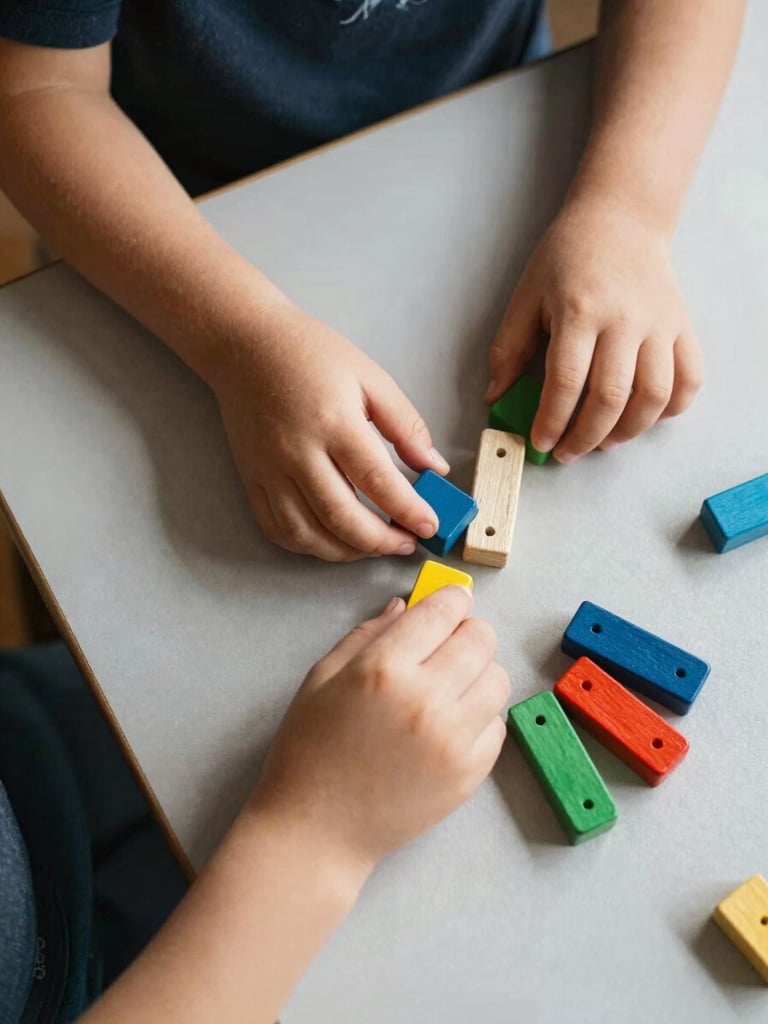
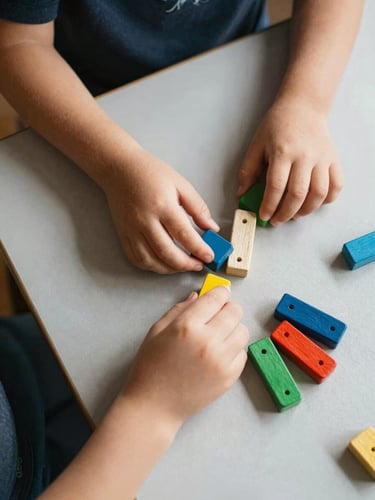
9:00 – 10:30 — Structured immersion block. Small-group instruction in French: phonics, counting, and guided discovery with tactile materials.
10:30 – 11:00 — Nutrition break. Hot snack; meal data logged per child for health records.
11:00 – 12:30 — Outdoor discovery and motor development. Structured tasks in French, Kinyarwanda contextualisation where needed.
12:30 – 13:15 — Hot lunch. Nutritional records updated; attendance confirmed via mobile log.
13:15 – 14:15 — Rest cycle. Sensory wind-down and independent quiet activity.
14:15 – 16:15 — Afternoon immersion and social-emotional skills. Paired conversation, role-play, and early literacy in French.
Documented outcomes. Readable by any primary school.
Linguistic fluency
Primary transition record
Cohort size under 30
Every child exits with a competency profile — French, Kinyarwanda, and English — accepted directly by Ecole du Bon Berger and Nyamata Parents' School.
By end of Nursery, each child holds basic French conversations and follows complex multi-step instructions — milestones logged per term.
Small classes keep educator-to-child ratios high enough to track individual milestones weekly — not just at semester end.